

Colorado ADU Plans
in Denver, CO
Morrison Engineering Colorado, LLC provides integrated architecture and engineering services for ADUs across Colorado, including Denver, Colorado Springs, and their surrounding Front Range communities. We work with homeowners, builders, and general contractors to design accessory dwelling units that are practical to build, compliant with local codes, and aligned with how the space will actually be used.
Professional ADU Design
ADUs aren’t typically simple “add-on” structures. These backyard homes need to fit within limited setbacks, existing utilities, parking requirements, and lot coverage rules that vary by municipality. These constraints directly shape what can realistically be built on a property – making them a challenge to standardize.
We create ADU plans that reflect both the design intent and the realities of construction. We evaluate site conditions, plan structural systems, and coordinate utility connections so the final drawings are ready for permitting and construction the first time.
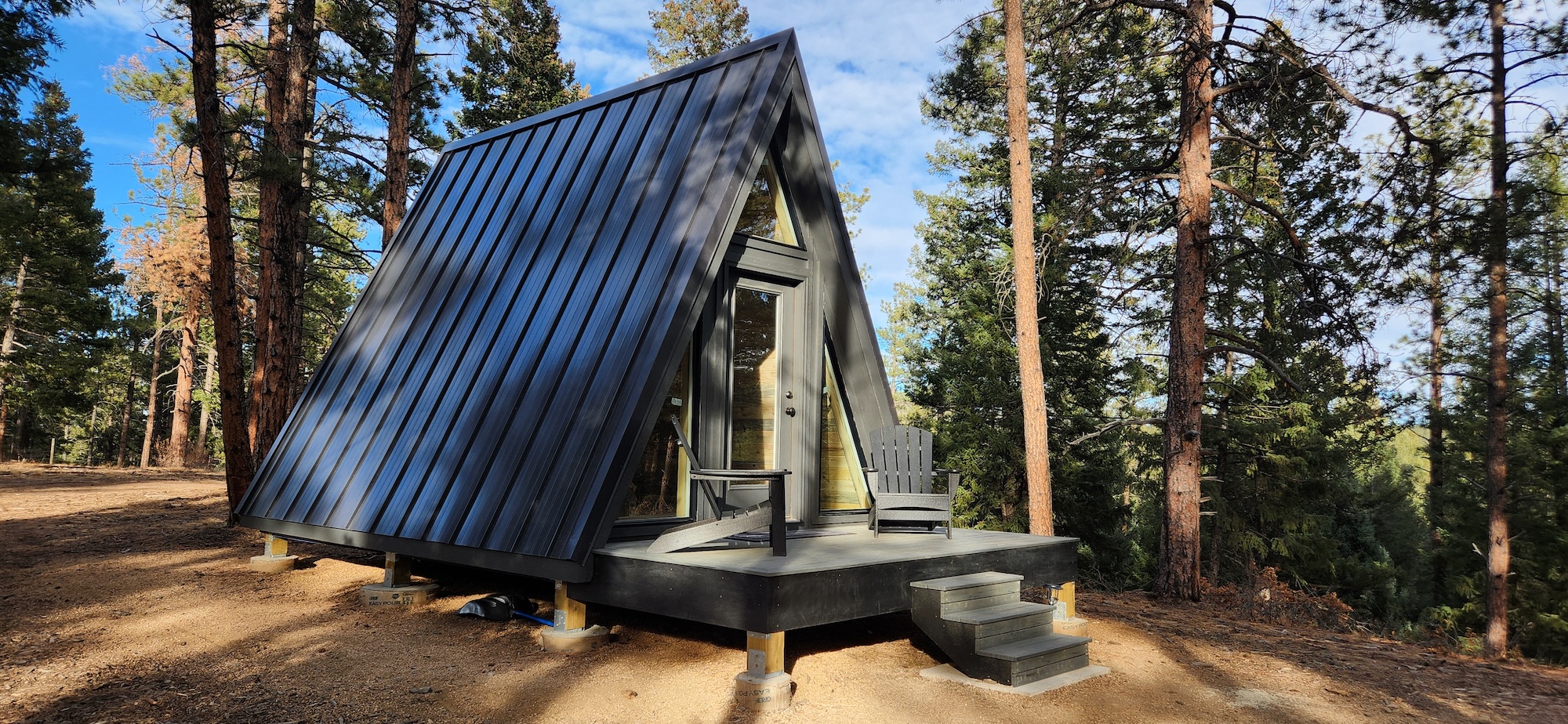
Integrated ADU Architecture and Engineering
ADU projects benefit significantly from coordinated design. When architecture, structural engineering, foundation design, and MEP systems are developed separately, it can lead to delays during permitting or changes during construction.
Our integrated process helps reduce those gaps by developing all disciplines together. By having everything under one roof, alignment between design and construction becomes easy, helping builders and contractors move through permitting and build phases with less interruptions.
Our ADU architecture and engineering services support a wide range of residential accessory structures, including:
- Detached backyard ADUs
- Garage conversions
- Attached ADUs
- Basement ADU conversions
- Guest houses and rental units
- Studio and workspace ADUs
We regularly support both homeowners building ADUs for personal use and contractors developing units for rental income or property value expansion.
ADU Zoning, Site Conditions, and Project Delivery
Colorado ADU development is shaped by both statewide legislation under HB24-1152 and local zoning requirements that still vary by city and county. While the law expands where ADUs are allowed, each property still comes with its own set of physical constraints that influence what can realistically be built. Site conditions like slope, soil type, access, utility connections, and existing structures all play a direct role in how an ADU should be designed and engineered.
Our team evaluates these factors early to help establish what’s feasible on a given site before detailed design work begins. This includes reviewing zoning constraints, assessing buildability, and developing ADU plans that are aligned with both local regulations and real-world construction conditions. The goal is to move into permitting with fewer unknowns and a clearer path for approval.
We also work closely with both builders and homeowners throughout the process. Many ADU projects involve collaboration with general contractors who need coordinated, construction-ready drawings to keep schedules on track. In other cases, homeowners come to us early in the planning stage and need guidance on what their property can support under current Colorado ADU laws.
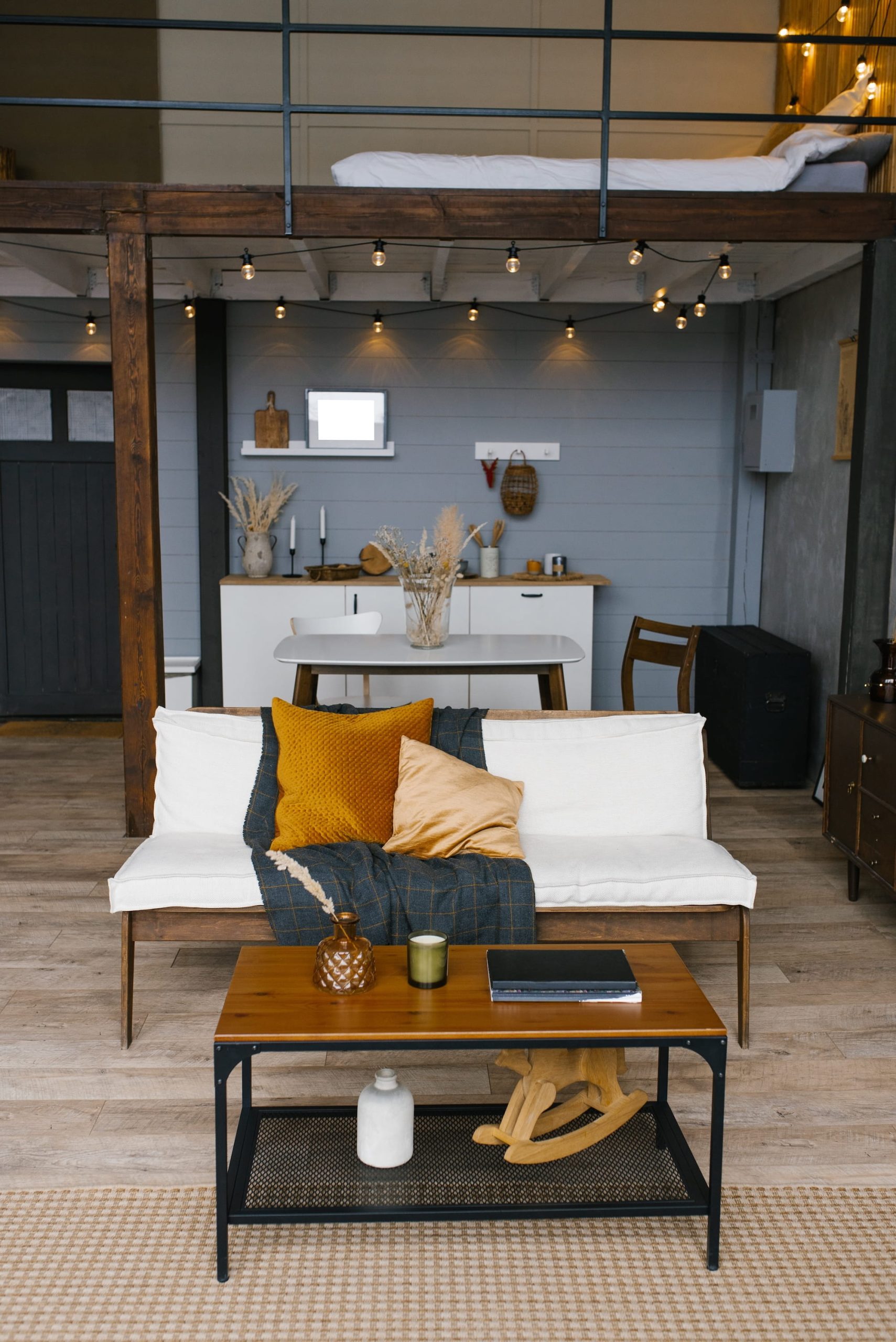
Why Choose Morrison Engineering Colorado, LLC
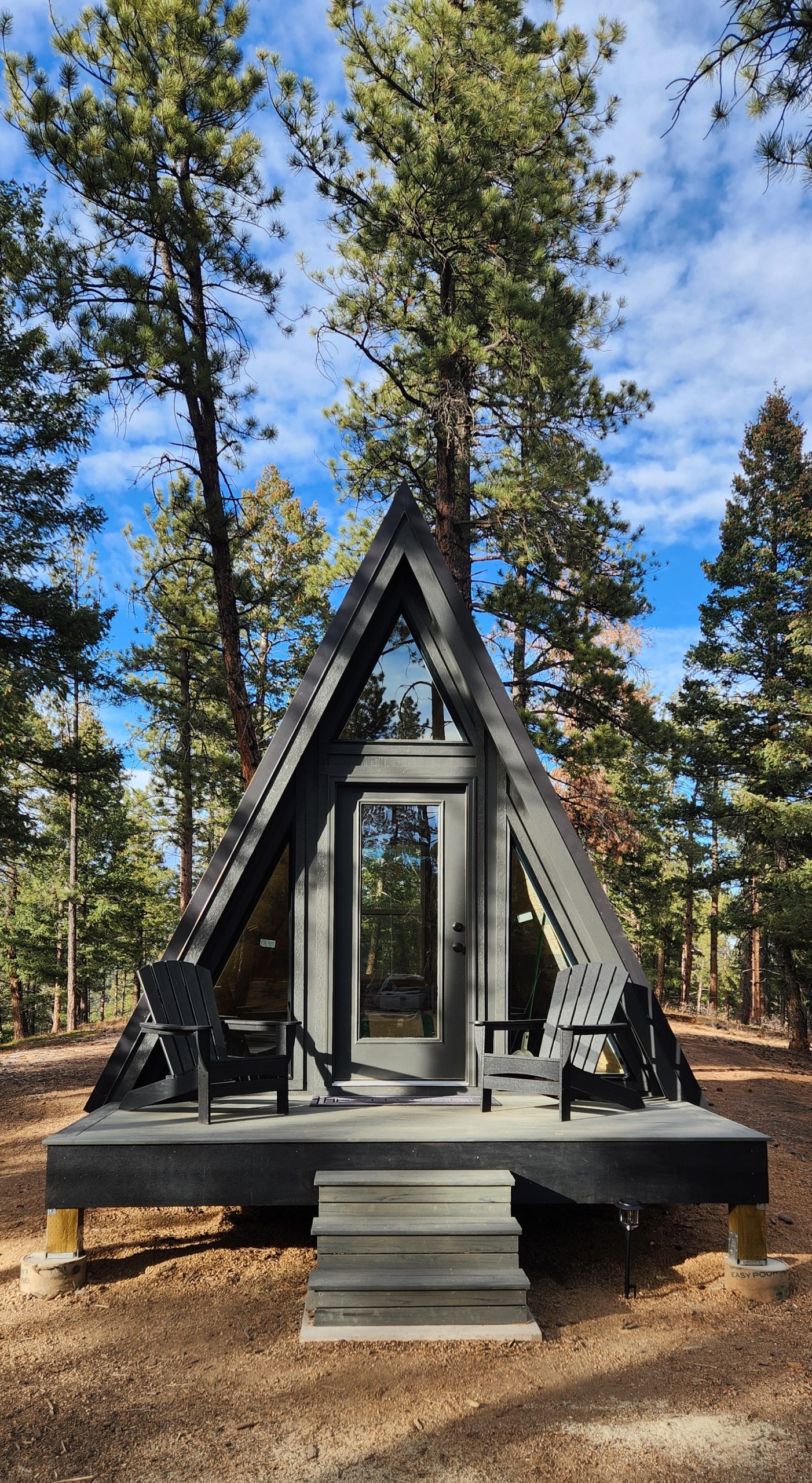
01
Multi-Discipline Expertise
By offering architecture, foundation, structural, and MEP services under one roof, we provide a streamlined process, a wide range of expertise, and reduced risk across projects.
02
Exceptional Value
By operate with an intentionally low-overhead structure, we successfully pass cost-savings on to our customers without sacrifice. You get high-quality, professional work with a much greater value for your dollar.
03
Client-First Approach
Morrison Engineering Colorado, LLC was founded in our hometown, and our mission aims to serve the community we grew up in. We prioritize our clients’ success, focus on responsiveness, and offer quick delivery to help projects move forward.
Colorado ADU FAQs
Are ADUs considered tiny homes?
Long story short: usually yes.
Accessory dwelling units (ADUs) often get grouped with tiny homes because they share a similar goal of creating smaller and more efficient living spaces. Both of these prioritize compact design, functional layouts, and maximizing usability within a smaller footprint.
The main difference is how they’re built and regulated. ADUs are permanent structures tied to a property that must meet local zoning, building codes, and permitting requirements. Tiny homes, depending on how they are built and placed, might fall under different regulations or use classifications. For example, a converted camper tiny home wouldn’t be considered an ADU.
Because ADUs are fully engineered and code-compliant residential units, they’re popular as long-term housing solutions, rental units, and in-law suites for aging parents.
What has recently changed with Colorado’s ADU laws?
Colorado’s HB24-1152 requires many cities and counties to allow at least one accessory dwelling unit (i.e., an ADU) on properties where single-family homes are allowed. This is part of a statewide effort to expand housing options, with rules outlined in C.R.S. 29-35-401 through 405.
In many areas across Colorado, this has opened the door for more ADU development, but local zoning rules and site conditions still determine what can actually be built on a specific property.
Are all cities in Colorado required to allow ADUs?
No, the law applies to “subject jurisdictions,” which are defined under HB24-1152. Some jurisdictions may be exempt or may qualify under different compliance or “ADU-supportive” classifications depending on how they meet state criteria.
Local implementation can vary, so ADU feasibility should always be confirmed based on the specific municipality or county where the property is located. Also, don’t forget: homeowners’ associations (HOAs) and private covenants can still affect whether an ADU can be built on a property, even if local zoning does allow it.
Where do you work?
While we focus on Colorado Springs and Denver, we also serve the surrounding regions, including Boulder, Castle Rock, Fort Collins, and Greeley. As a firm founded to serve the local community, we understand the specific regional requirements for residential construction in each of these areas.